

The Shifting Landscape of Manufacturing Compliance
Manufacturers know that ‘being compliant’ is never a static state. Regulations like CTPAT, FSMA, ITAR, and OSHA evolve constantly, and each new update or regulation means new responsibilities for your company.
Along with changing rules and recommendations, modern supply chains are stretching further across the globe, introducing new vulnerabilities that extend well beyond your facility walls.
Maintaining compliance in this ever-shifting environment can feel like a never-ending story. Adopting a proactive compliance culture is key to approaching each new regulation with confidence instead of fear.
Prioritize processes and platforms that help you understand exactly what is happening in your manufacturing facility, where it’s happening, and why. You’ll be empowered to approach audits as confirmation of your standards rather than indictments of them.
Here are six strategies that can help your team stay ahead when it comes to compliance:
Set Up A Compliance Alert System
One of the biggest challenges of compliance is simply staying on top of new requirements and rules. There is no one centralized system that collects all of the relevant governmental or certification agency announcements specific to your manufacturing vertical and facility type.
That’s why you need to build an alert ecosystem that keeps your team informed of news as it comes:
- Follow publications relevant to your vertical or job title, like EHS Today, Supply Chain Dive, and Industry Week. These types of manufacturing news outlets are quick to report on new adjustments to regulations and what they can mean in practice.
- Bookmark and set up a recurring schedule to check on specific government websites tied to programs you must follow, such as ITAR, CTPAT, or the FDA Newsroom, or sign up for alerts from government agencies, like OSHA or the Directorate of Defense Trade Controls.
- If you must adhere to specific regulations, set up Google Alerts for those exact keywords, like “CMMC news”. (Not sure how to set one up? Here’s Google’s how-to guide.)
Adding more emails to your inbox may seem overwhelming, but staying on top of these changes gives your team time to assess the news, evaluate your current processes, and make any necessary adjustments before you’re left unaware when the auditor comes.
You don’t need to feel inundated every day — create a new folder in your inbox for these alert emails and set a block of time each week or month to review the news and evaluate how it may affect your business.
Practice Internal Audits
Many manufacturers constantly worry about official audits and potential gaps in their facilities. Implementing internal audits is the best way to reduce that stress.
A regular schedule of thorough internal inspections creates a controlled environment for:
- testing procedures and processes
- checking documentation
- spotting gaps before they become issues or fines.
- stress-testing your data collection and storage process
- letting your team practice the steps of an assessment without worrying that a wrong move could cost the company
When regulators arrive, your people will know what questions to expect, where records are stored, and how to demonstrate adherence. A commitment to internal audits doesn’t just reduce risk, but can also become a selling point for customers and partners who see your commitment to proactive compliance.
Assign a Compliance Officer
While everyone on your team needs to do their part in helping your business maintain compliance, you also need an individual who can help maintain company-wide accountability. If everyone owns compliance, then no one owns it.
Whether you work in a small one-facility manufacturing operation or a global enterprise, assigning a dedicated compliance officer gives the responsibility the weight it deserves.
This person’s role should include:
- Staying on top of any regulatory changes as they’re announced (i.e., becoming the point of contact for inbox alerts)
- Coordinating your internal audit schedule, keeping every department informed of practice audits, and ensuring those audits are in line with the most recent rules and advice
- Reviewing and refreshing compliance training materials for both current and new employees
While smaller manufacturing operations may not be able to maintain a fully dedicated compliance officer, these responsibilities must be a part of someone’s job description, like a facilities manager or an EHS officer. Your team needs a clear point of contact when compliance questions arise, and someone who can take the lead when real auditors show up.
Create a Cross-Departmental Compliance Committee
While it’s essential to have one individual take the lead on manufacturing compliance, the task is too complex and vital to assign wholly to that team member. Regulations can affect multiple aspects of your operations, from IT data security to HR practices to Environment, Health, and Safety protocols. That’s where a cross-departmental compliance committee comes in.
This group, led by your designated compliance officer, should meet regularly and include stakeholders from all of your company departments, from HR to Security and Engineering. Each member should come prepared to share updates from their departments, any potential areas of compliance risk (like broken cameras or poor contractor insurance record-keeping), and steps that can be taken to address gaps or meet new rules.
Regular meetings and a structured agenda to set expectations before the meeting help make compliance a constant consideration instead of a panic-inducing afterthought.
The More Data the Better
When it comes to compliance, data is confidence.
Auditors don’t just want to hear that your company works to follow regulations—they need to see proof. The more information you have about what’s happening in your facilities, the easier it is to pull records and demonstrate compliance on the spot.
Digital tools make information tracking far more manageable. Automatic sensors on your production equipment can alert you to potential safety issues. A visitor management system can keep an accurate record of who entered your facility, when they arrived, where they went, and what parts of your facility they interacted with. Instead of sorting through stacks of certifications or paper logbooks to prove to auditors that a specific contractor was up-to-date on training, you can retrieve that information from a centralized digital log in just a few clicks.
Even if your facility falls behind on new regulations, having more data and insight into your operations allows you to get up to speed more quickly. That peace of mind is invaluable come audit time.
Proactive Compliance Is An Advantage, Not A Hurdle
Manufacturers often view compliance as a burden: an endless stream of checklists, warnings, and fear-inducing language. That common negative perception means that any company that embraces proactive compliance as a challenge instead of a chore will end up ahead of the competition.
Your commitment to compliance before customers, partners, and auditors even have to ask for documentation reflects your company’s dedication to innovation, safety, and product quality. It can help you earn certifications like ISO 9001 that strengthen your bids and set you apart in a crowded market.
While it’s impossible to predict what new regulations may emerge in this constantly changing landscape, manufacturers who incorporate proactive compliance into their processes will inevitably be able to adapt and respond more quickly than competitors.
Ultimately, staying on top of compliance isn’t just about keeping regulators satisfied. It’s about creating a resilient business that protects its people, customers, and future.
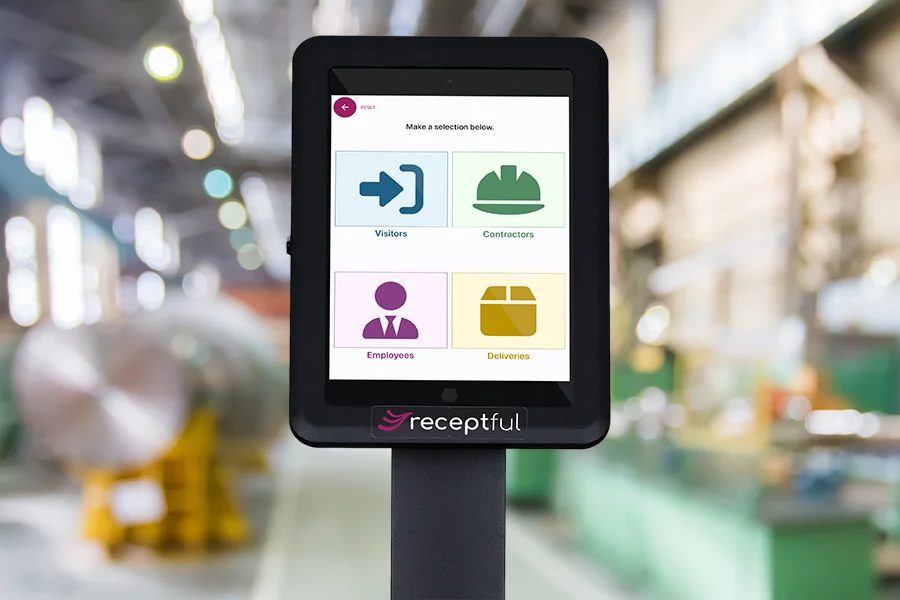
Interested in building a proactive compliance culture starting right at your front doors? Take a self-guided tour of Receptful and discover how our digital check-in platform helps you confidently track every individual inside your facilities in real time — from visitors, employees, contractors, and delivery drivers.